

Sometimes innovation in education does not begin with technology policy or curriculum redesign. Sometimes it begins with soil.
In this Thinkering Fellowship spotlight educator Meg Miles a division instructional coach shares the story of the Belonging Garden Initiative. The project was designed to cultivate not just vegetables but connection identity and student voice across an entire school community. What started as a barren courtyard evolved into a living ecosystem for belonging collaboration and authentic learning.
I visited Meg at her school in Virginia to learn more about her Belonging Garden.
Planting the Seeds of Belonging
The Belonging Garden grew from a district wide focus on student belonging. Rather than treating belonging as an abstract concept the team chose to make belonging visible and experiential.
The initiative began with school wide activities centered on defining belonging including conversations sparked by The Circles All Around Us. From there the idea expanded into creating a physical space where students could experience belonging through shared creation and outdoor learning.
This shift from discussion to lived experience is at the heart of Thinkering learning by doing reflecting and co creating.
From Empty Courtyard to Living Classroom
The school’s unused courtyard became the canvas. Through collaboration with a community partner a three phase plan was designed to transform the space into an inclusive outdoor learning environment.
Phase one brought together students teachers families and administrators to build raised garden beds and plant seasonal crops. The effort was deeply participatory involving learners across grade levels and embedding responsibility into the process.
Students did not just observe the garden they:
Built beds
Planted vegetables
Maintained crops
Participated in nature journaling
Connected learning to science literacy and SEL
Belonging began to take root.
Student Voice Shapes the Garden
One of the most powerful aspects of the project was the intentional inclusion of student voice. Every student participated in a survey exploring their experiences with gardening cultural food connections and learning interests.
This data was used to guide planting decisions and ensure the garden reflected the identities and cultures of the students themselves.
This is Thinkering in action. Students are not recipients of learning spaces they are co designers.
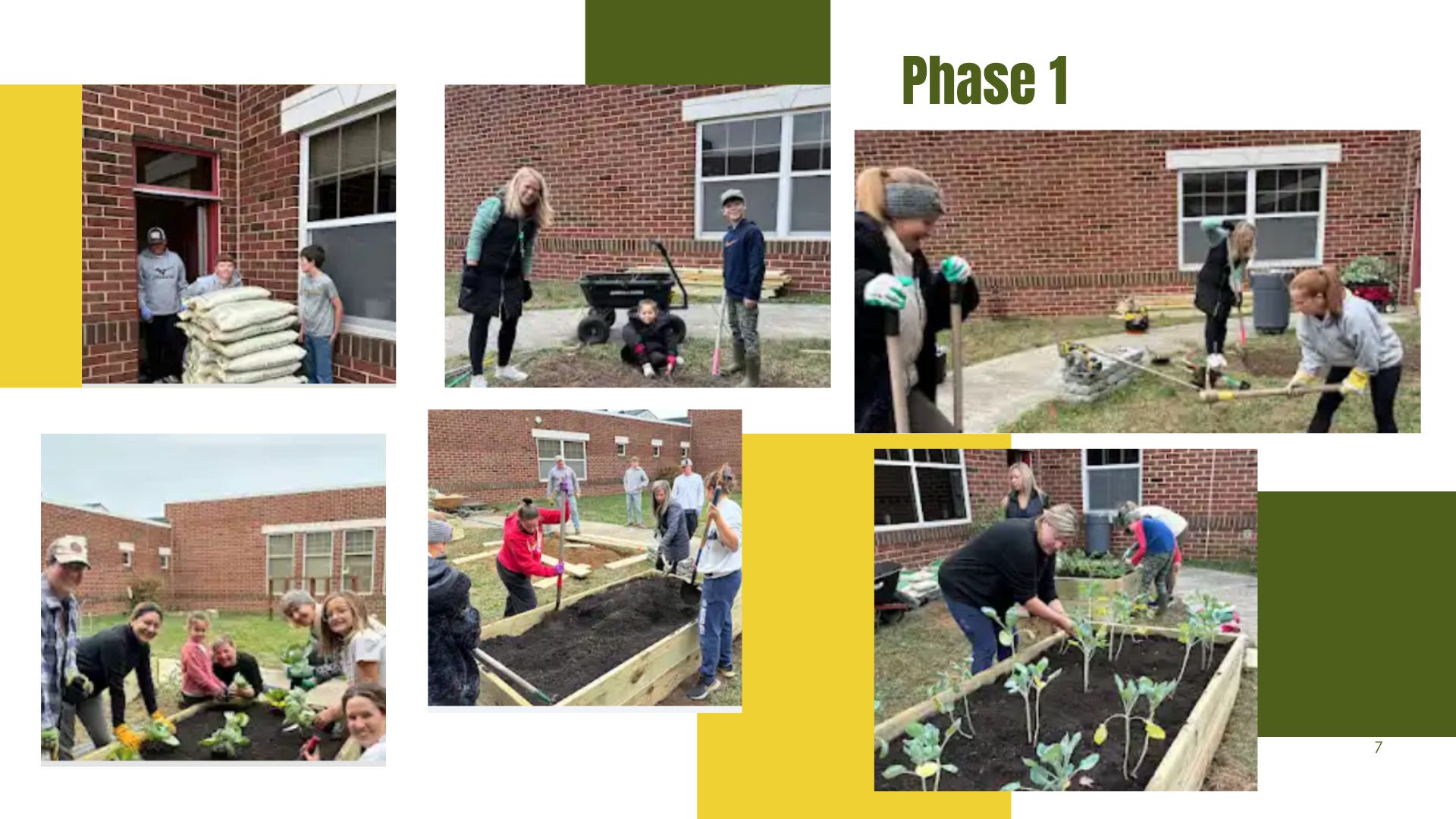
Community bonded together in building the “Belonging Garden.”
Beyond Gardening Academic and Emotional Impact
The garden is not an extracurricular add on. It is integrated into learning across disciplines
Math through measurement and data collection
Science through soil composition and plant growth
Literacy through journaling and reflection
SEL through collaboration and mindfulness
Community engagement through shared events
Educators observed that outdoor learning provided a reset improving emotional regulation and engagement. The team also emphasized the connection between belonging and academic achievement noting that when students feel seen and valued learning deepens.


Building in Phases Designing for Sustainability
The Belonging Garden was intentionally designed as a multi phase initiative
Phase 1
Raised garden beds
Initial planting
Student engagement
Phase 2
Accessible concrete learning space
Outdoor learning table
Expanded instructional opportunities
Phase 3
Sensory garden elements
Pergola for shade
Tool storage
Expanded accessibility
This phased approach allows the project to grow organically while inviting new community partnerships.
Community as Co Creators
The initiative quickly expanded beyond the school walls. Partners included
Local businesses
Construction companies
Garden experts
PTO organizations
Families
Volunteers
Events like a planned Seed to Salad experience will bring chefs students and families together to celebrate learning from plant to plate turning the garden into a community hub.
This reflects Thinkering’s belief that learning ecosystems extend beyond classrooms into communities.
Ashley Barkley’s story is another example of community aligning through her capstone
Sustainability Built Into the Model
Meg emphasized that sustainability requires more than enthusiasm it requires structure
Cross stakeholder leadership teams
Ongoing funding streams
Community partnerships
Summer maintenance plans
Annual traditions
By designing for longevity the Belonging Garden becomes more than a project it becomes a school culture shift.
A Living Example of Thinkering in Action
As the conversation concluded one reflection captured the essence of the initiative this project represents exactly what Thinkering hopes to see in classrooms across the country student centered community connected and rooted in authentic experience.
The Belonging Garden is not just about growing plants.
It is about growing
Agency
Connection
Collaboration
Cultural identity
Joy in learning
Another capstone project tying the community together with a garden
The Thinkering Takeaway
When students build something together they do not just create a space they create meaning.
The Belonging Garden reminds us that
Belonging can be designed
Community can be cultivated
Learning can be rooted in real world experiences
Transformation sometimes begins with a seed
This is what happens when educators tinker co create and trust students to help shape the learning environment.
Join Our Mission
Do YOU want to co-build something truly amazing for your classroom with us? Fill out our Fellowship interest form here and we will get you set up with SUPERPOWERS to change learners lives.


